Launch Your Product: A Realistic Timeline
Ezeikel Pemberton
May 25, 2026
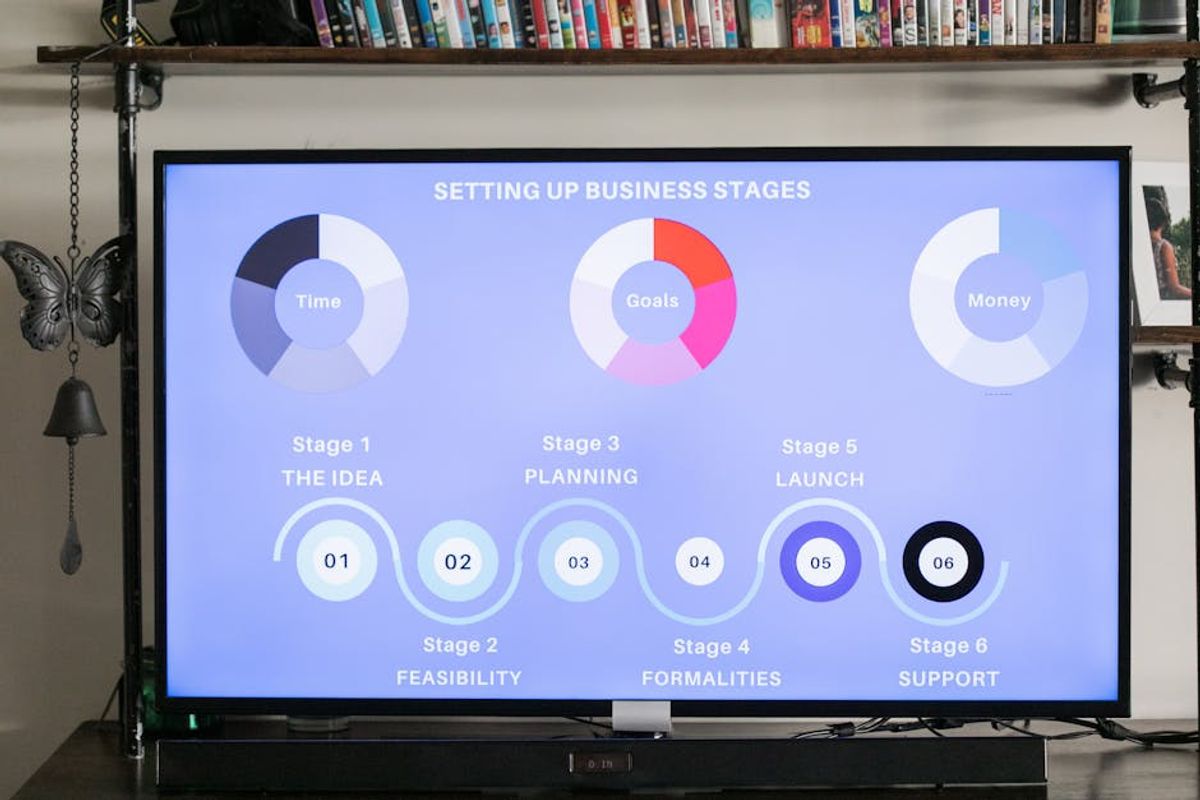
Photo: Pexels
Hey there, fellow indie hackers and aspiring founders! If you've ever found yourself lost in the maze of product development, you're not alone. I've been there, too. Creating something from scratch and bringing it to market is a daunting yet thrilling journey. Today, I'm excited to walk you through a realistic product launch timeline, breaking down the steps from idea to revenue. Let's dive in!
Ideation and Validation
Every successful product begins with a great idea. But ideas are the easy part. The challenge lies in figuring out whether your idea holds water in the real world. Here’s how you can effectively validate your idea:
- Research the Market: Look at existing solutions. What problems do they solve? More importantly, what gaps are they leaving unfilled?
- Define Your Unique Selling Proposition (USP): What makes your product different or better? Your USP will be the backbone of your marketing strategy.
- Engage with Potential Users: Use platforms like Reddit, Twitter, or niche forums to gather feedback. Ask open-ended questions and listen to your potential customers.
- Create a Minimum Viable Product (MVP): Build just enough to test your idea. It doesn’t have to be perfect, just functional enough to gather real-world feedback.
Code Example: Building an MVP Component
Here's a simple Button component using TypeScript and Next.js patterns. This keeps things minimal and testable:
type ButtonProps = {
  label: string;
  onClick: () => void;
};

const Button = ({ label, onClick }: ButtonProps) => {
  return (
    <button onClick={onClick}>
      {label}
    </button>
  );
};

export default Button;
Use this component to test different UI elements quickly.
Planning and Development
Once you've validated your idea, it's time to plan and develop. This phase is crucial for setting realistic expectations and timelines.
Roadmap Creation
- Define Milestones: Break down the project into smaller, manageable parts. Set clear goals for each milestone.
- Estimate Time and Resources: Be realistic about how long each task will take and the resources you'll need. Factor in potential setbacks.
Development Process
Choose a development approach that aligns with your goals and skills. Here's a simple workflow:
- Set Up Your Development Environment: Choose tools and frameworks that you're comfortable with. For many indie hackers, Next.js and TypeScript are powerful allies.
- Iterative Development: Develop in sprints or iterations, focusing on completing one feature at a time.
- Testing: Regularly test features to ensure they work as expected. Use automated testing where possible to save time.
Code Example: Iterative Development
Let’s say you need to create a UserProfile component:
type UserProfileProps = {
  username: string;
  avatarUrl: string;
};

const UserProfile = ({ username, avatarUrl }: UserProfileProps) => {
  return (
    <div>
      <img src={avatarUrl} alt={`${username}'s avatar`} />
      <h2>{username}</h2>
    </div>
  );
};

export default UserProfile;
Focus on getting this component right before moving on to more complex parts.
Pre-Launch Preparations
As you near the finish line, it's time to prepare for the launch. This phase is all about making sure everything is in place for a smooth release.
Marketing Strategy
- Build an Audience Early: Start a blog, newsletter, or social media presence. Share your journey and gather interest.
- Create Hype: Use teasers, sneak peeks, and countdowns to build anticipation.
- Prepare Launch Materials: Have your landing page, press kit, and promotional content ready to go.
Technical Setup
- Deploy Your Product: Choose a reliable hosting provider and ensure your deployment process is seamless.
- Monitor Performance: Set up monitoring tools to track performance, uptime, and user engagement.
Launch and Post-Launch
Congratulations! You’ve made it to launch day. But the journey doesn’t end here.
Launch Day
- Execute Your Marketing Plan: Publish your launch post, send out newsletters, and engage with your audience on social media.
- Monitor Everything: Keep an eye on your product’s performance, user feedback, and any technical issues.
Post-Launch Activities
- Gather Feedback: Encourage users to share their thoughts and experiences. Use this feedback to guide future updates.
- Iterate and Improve: Continuously improve your product based on user feedback and performance metrics.
- Customer Support: Be responsive to user inquiries and issues. This builds trust and loyalty.
Code Example: Post-Launch Iteration
Here’s a utility function to format dates, which you might need when iterating post-launch:
export const formatDate = (date: Date): string => {
  return date.toLocaleDateString(undefined, {
    year: 'numeric',
    month: 'long',
    day: 'numeric',
  });
};
Use utilities like this to enhance your app incrementally.
Conclusion
The journey from idea to revenue is a marathon, not a sprint. It requires careful planning, relentless execution, and a willingness to adapt. By following a realistic timeline and staying focused on your goals, you can navigate the complexities of product development and launch with confidence.
Remember, every product is unique, and timelines can vary. Stay flexible, gather insights from each step, and most importantly, enjoy the ride. After all, the process of bringing your vision to life is what makes this adventure truly rewarding.
Ready to launch your next big idea? I hope this guide serves as a helpful roadmap on your path to success. Happy building!
Tags


Enjoyed this article?
Subscribe to get notified when I publish new posts about building products, coding, and indie hacking.
Subscribe to newsletter